

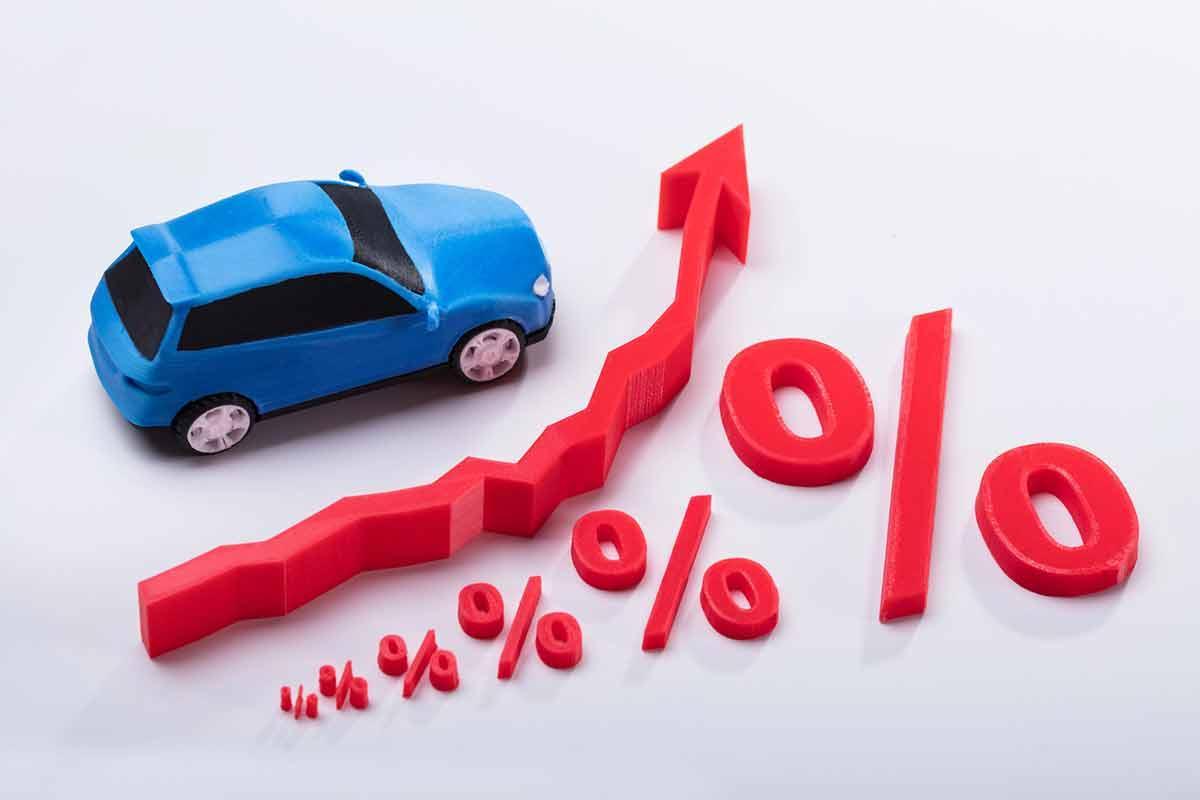
A used car listed at $18,000 in Toronto doesn't actually cost $18,000. Add Ontario's sales tax and you're closer to $20,340, and depending on how you buy, that number can shift by hundreds of dollars in either direction. If you're shopping for a used car anywhere in the GTA, knowing how that tax gets calculated, and where you actually have room to lower it, is worth ten minutes of reading before you sign anything.
Ontario used vehicle sales are taxed at 13 percent either way, but the tax has two different names depending on the seller, and that distinction matters more than most buyers realize.
Buy from a dealership, and you pay 13 percent HST on the purchase price, the same way you would on almost anything else you buy from a business. The dealer collects it at the time of sale and remits it to the CRA. It's built into your bill of sale, so there's no separate step later.
Buy from a private seller, and the tax is technically called Retail Sales Tax (RST) instead of HST, even though the rate is still 13 percent. You don't pay it to the seller. You pay it directly at ServiceOntario when you register the vehicle in your name. If you've ever heard someone say they "forgot about the tax" on a private sale, this is usually why: it doesn't show up until registration day, not at the moment you hand over the money.

Here's the part that surprises a lot of buyers. On a private sale, RST isn't necessarily calculated on the price you actually paid. Ontario applies it to whichever is higher: your purchase price, or the vehicle's average wholesale value according to the Canadian Red Book. If you negotiated a great deal on a car that's worth more on paper, you can still end up paying tax on the higher number. This also means underreporting the sale price to save on tax doesn't work; ServiceOntario checks against the wholesale value, not just what's written on a bill of sale.
One narrow exception: if a vehicle's wholesale value is under $1,000, RST is based on the purchase price instead. For most used cars on the road in the GTA, that threshold won't apply, but it's worth knowing if you're buying something older or higher-mileage.

If you're financing through a dealership and you have a vehicle to trade in, this is where the real savings usually are. When you trade in your current car as part of a dealership purchase, you only pay HST on the difference between the price of the vehicle you're buying and the value of your trade-in, not on the full purchase price.
On a $20,000 car with a $6,000 trade-in, that means tax applies to $14,000, not $20,000. At 13 percent, that's roughly $780 back in your pocket simply for trading in through the dealership rather than selling your old car privately and buying separately. This credit doesn't exist on private sales, which is one of the practical reasons a dealership purchase can end up costing less overall than it first appears, even before financing terms are factored in.
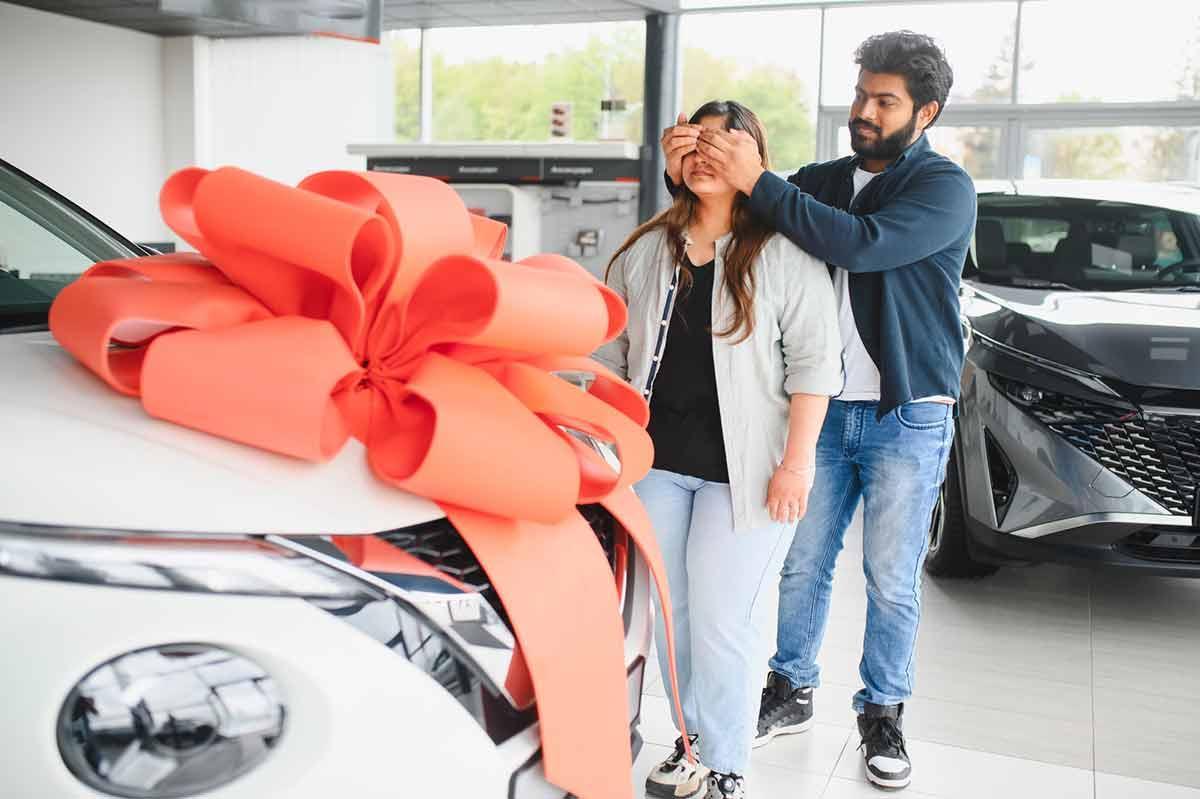
If a vehicle is genuinely being given to you by a qualifying family member, with no money changing hands, Ontario allows the transfer to happen exempt from RST. This isn't a loophole; it's a defined exemption, but it only applies to a specific list of relationships: spouse, parent, child, sibling, and grandparent or grandchild, including step, half, and adopted relations in each case.
It does not extend to cousins, aunts, uncles, nieces, or nephews. Both parties need to complete a Sworn Statement for a Family Gift of a Used Motor Vehicle, signed in front of a Commissioner of Oaths, and the same vehicle can only be transferred this way once every twelve months. If you're helping a family member get into a car and they qualify under this list, it's worth doing properly rather than assuming a casual handover will be treated the same way at ServiceOntario.
None of this changes whether you'll owe tax, but it does change how much and when. If you're weighing a private sale against a dealership purchase, the sale price on the private listing might look lower, but once you factor in RST on the wholesale value, plus the fact that a dealership purchase can bundle the trade-in credit and let you roll the tax into your financing instead of paying it separately at ServiceOntario, the real difference between the two options is often smaller than it first appears.
If your credit history, income situation, or immigration status has made financing feel complicated in the past, that's a separate question from the tax rules above, but it's worth mentioning here because the two are connected: the total cost of a used car isn't just the sticker price, it's the price plus tax plus how that gets financed. At CarHive, we look at what you can realistically afford today, not just what happened on paper before. If you want to know where you stand, you can see if you qualify in a few minutes without it affecting your credit.
Is the tax on a used car in Ontario the same everywhere in the province?
Yes. The 13 percent rate applies province-wide, whether you're buying in Toronto, elsewhere in the GTA, or anywhere else in Ontario. What changes is HST versus RST, not the rate itself.
Can I avoid tax by buying a used car outside Ontario?
No. If you bring a vehicle into Ontario to use here, RST generally still applies based on Ontario's rules, regardless of where you bought it.
Does trading in my car lower the tax if I'm buying privately?
No. The trade-in credit only applies when you buy through a dealership. On a private sale, RST is calculated on the vehicle you're buying with no credit for a car you're selling separately.
What if the seller and I agree on a lower price to reduce the tax?
It won't work. ServiceOntario calculates RST on whichever is higher: your stated purchase price or the vehicle's Red Book wholesale value, so underreporting the price doesn't reduce what you owe.
This article explains general Ontario tax rules as of 2026 and isn't a substitute for advice from an accountant or ServiceOntario directly. Vehicle values, exemptions, and documentation requirements can vary by situation, so confirm your specific numbers before you buy.





.png&w=64&q=75)

.png&w=64&q=75)

Sep 09, 2026
The Best Used Cars for First-Time Drivers
Aug 10, 2026
How Co-Signing Works for Ontario Car Loans
Aug 02, 2026


.png&w=48&q=75)
.png&w=48&q=75)
.png&w=48&q=75)